01 / STOOL & MOVEMENT
What is moving,
and how?
Stool consistency and movement through the bowel can be part of the picture.
Visual guide
A reverse Kegel is a common name for practising pelvic-floor relaxation and lengthening, without bearing down. It introduces a different action from a Kegel squeeze. [2]
On a gentle in-breath, the diaphragm moves lower and the pelvic floor lengthens. Allow an unforced return. No pushing or extra squeeze is needed.
You feel the urge. You sit down. Yet passing stool still feels difficult, even when it’s soft.
Whether relaxation belongs in your care depends on your situation; this guide cannot identify the cause of constipation or replace an individual assessment.
By the Gutsphere team · 10 min read
Sources and editorial approval
THE BIGGER PICTURE
Make room for more than one explanationConstipation can have several contributors. What you feel alone cannot tell you which ones matter in your case. [1]
01 / STOOL & MOVEMENT
Stool consistency and movement through the bowel can be part of the picture.
02 / COORDINATION
Pelvic-floor and anorectal muscle coordination can matter for some people.
03 / YOUR CONTEXT
Medicines, other conditions, and changes in daily life may also contribute.
Possible contributors, not a personal diagnosis or a ranking of causes. NIDDK: symptoms and causes
WHERE IT FITS
Understand the limits before tryingThis page helps you understand a practice. It cannot decide whether you need relaxation, strengthening, or another form of care.
A PLACE TO LEARN
Explore the illustration and written cues. There is no need to produce a strong sensation or complete a timed round.
Read the introductory cuesALONGSIDE EXISTING CARE
Keep that guidance in the picture. Ask how a home practice fits your specific needs and restrictions.
Prepare a questionWHEN YOU NEED INDIVIDUAL HELP
Do not force the movement. A general follow-along cannot assess persistent difficulty or choose a treatment.
Prepare for a care conversationWHAT TO EXPECT
Keep the goal humanTHE EVERYDAY GOAL
Less time wondering what to do. More understanding of your options. A clearer question when you need help.
These are goals for the experience. This page does not promise a bowel movement or a time to relief.
TODAY
See the idea and know what the guide can introduce.
WHEN YOU RETURN
Keep room for no change, uncertainty, or discomfort.
WHEN YOU NEED CARE
Put your experience and what you have tried into words.
THE EVIDENCE
Understand what the sources supportA helpful explanation makes the connection to the evidence clear, including where that connection stops.
PATIENT GUIDANCE
NHS physiotherapy guidance describes ways to practise relaxation and explains its relationship to breathing.
An educational explanation and gentle cues. A patient leaflet does not establish the success rate of this Gutsphere recording.
Read the source [2]CLINICAL CARE
ACG patient guidance describes therapist-guided retraining and biofeedback for some coordination problems.
It involves clinical assessment and training. Watching an animation does not provide biofeedback or establish a diagnosis.
Read the source [3]THIS PARTICULAR GUIDE
No trial of this Gutsphere recording is presented here. Evidence for clinical treatment is not proof that this standalone guide has the same effect.
A before-and-after rating records an experience. It does not show why a change happened or prove treatment benefit.
Understand the distinctionA FIRST STEP
Guidance you can useA COMFORTABLE STARTING POINT
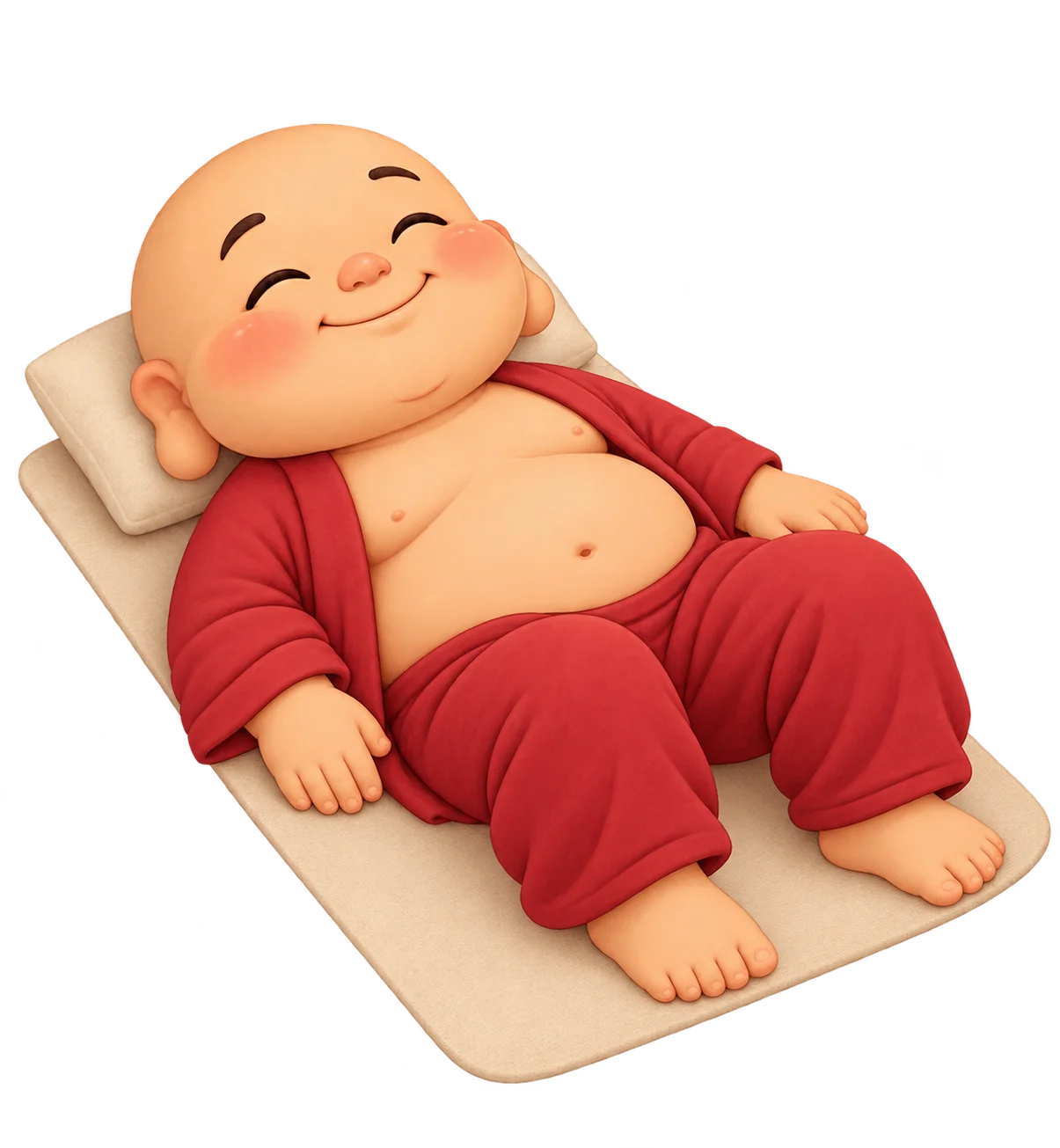
Comfort comes before completing a round.
Guided recording · about 2½ minutes
These are general adult cues. Read the care guidance first. Stop for pain, dizziness, breathlessness, or discomfort. Keep breathing comfortable.
An introduction to the idea, not an individual treatment schedule. Adapted from relaxation guidance [2]
Open the guided practiceThe companion page has the original recorded voice, a free round, controls, and optional check-ins. Its long breathing counts are optional.
The long breathing counts are optional. Read the care guidance above, breathe comfortably, and pause or stop instead of forcing the pace.
Breathe in through your nose. Let your belly rise. Let your pelvic floor soften. Breathe out slowly. Let your belly and pelvic floor return gently. Stay soft. No squeezing, and no pushing.
The second breath uses the recorded cues “Breathe in” with counts one to four, then “Breathe out” with counts one to six. Inhale lasts 10 seconds, exhale 14 seconds, with no hold. These counts are optional.
YOUR NEXT STEP
Take something useful with youAfter reading or practising, choose the description that fits. This changes the suggested next step, not a diagnosis.
KEEP WHAT IS USEFUL
You can return to the explanation, explore the guided practice, or keep a question for care. No improvement is assumed.
A NOTE YOU CAN USE NOW
Your edits stay on this page. They are not saved or sent. Sharing the story never includes this note.
YOUR QUESTIONS, AT YOUR PACE
YOUR QUESTIONS 01 / 12
It is a common name for practising pelvic-floor relaxation: letting the muscles soften and lengthen, without pushing down.
YOUR QUESTIONS 02 / 12
Think softening rather than forcing downward. A strong push or a held breath is not the aim. If you cannot tell the difference, a pelvic-floor therapist can help.
YOUR QUESTIONS 03 / 12
The movement can be subtle and takes practice. Avoid increasing force to chase a sensation. The animation shows the movement; it doesn’t measure your muscles.
YOUR QUESTIONS 04 / 12
This guide does not screen for these situations. Ask your maternity team, surgeon, or pelvic-floor clinician how the practice fits your circumstances and any existing restrictions.
YOUR QUESTIONS 05 / 12
This guide is not an established treatment for either condition. A fissure may need specific care. Worsening pain or persistent bleeding needs medical advice.
YOUR QUESTIONS 06 / 12
Clinical guidance supports pelvic-floor therapy and biofeedback for certain coordination problems. That evidence does not prove that this standalone guide, or its exact breathing pace, treats constipation.
YOUR QUESTIONS 07 / 12
Do not keep increasing effort or duration to chase a result. Record what happened. If difficulty continues, ask a clinician about assessment and other possible contributors.
YOUR QUESTIONS 08 / 12
No. The recording uses 10 seconds in and 14 seconds out, without a hold. Those long counts are optional. Breathe comfortably; pause or stop rather than force them.
YOUR QUESTIONS 09 / 12
Choose a quiet moment and a comfortable supported seat or lying position. Read the care guidance first. You do not need to be on the toilet to learn the cue, and the aim is not to push stool out. If you have an individual care plan, follow its instructions. [2]
YOUR QUESTIONS 10 / 12
This general guide does not prescribe a number of daily sessions. If a pelvic-floor clinician has recommended a schedule, use that. Do not increase effort or repeat rounds to chase a bowel movement. Persistent difficulty is a reason to ask about assessment, not simply do more. [3]
YOUR QUESTIONS 11 / 12
The free demo lasts 48 seconds. That is the length of this recording, not a recommended treatment dose. You can pause or stop sooner. Keep breathing comfortable, skip the long counts if needed, and follow any individual instructions you have been given.
YOUR QUESTIONS 12 / 12
Ask your care team first if you have recent surgery, pregnancy or childbirth-related concerns, prolapse, leakage, or restrictions. This page cannot tell whether you need relaxation, strengthening, or another kind of care. Do not force through pain or discomfort. Read the care-first guidance for symptoms needing prompt attention.
The first eight answers are shared with the guided practice. The practical questions add context about timing, duration, and getting individual advice.
CURATED BY GUTSPHERE
Created by the Gutsphere team from published evidence, research, and clinical guidance. Editorially approved by the Gutsphere founder.
Our role is to bring existing knowledge together, simplify it, and make it easier to understand and use. We do not claim to have originated the research.
Written by the Gutsphere team · Sources checked October 30, 2026.
The source list explains what each reference supports. External guidance does not endorse Gutsphere or validate this exact recording.
Symptoms, possible contributors, and when medical care is needed.
Patient guidance, issued April 2025. Relaxation, breathing and supported positions.
Patient guidance, updated June 2026. Clinical context for assessment, retraining and biofeedback.
The movement is an educational illustration. The opening describes an illustrative experience, not a patient testimonial. No clinical outcome, personal causal weights, or therapist endorsement is claimed. This page uses no live specialist or diagnostic service.
When you want another step
Follow one activity, then stop, repeat, or explore its guidance.
Choose and arrange practices for one part of your day.
Explore six weeks, three milestones, and time to review what happened.
Bring Today, observations, history, and care tasks into one place.
See how questions can connect to your history and your next care step.
Find support for visits, tests, procedures, results, and treatment tasks.